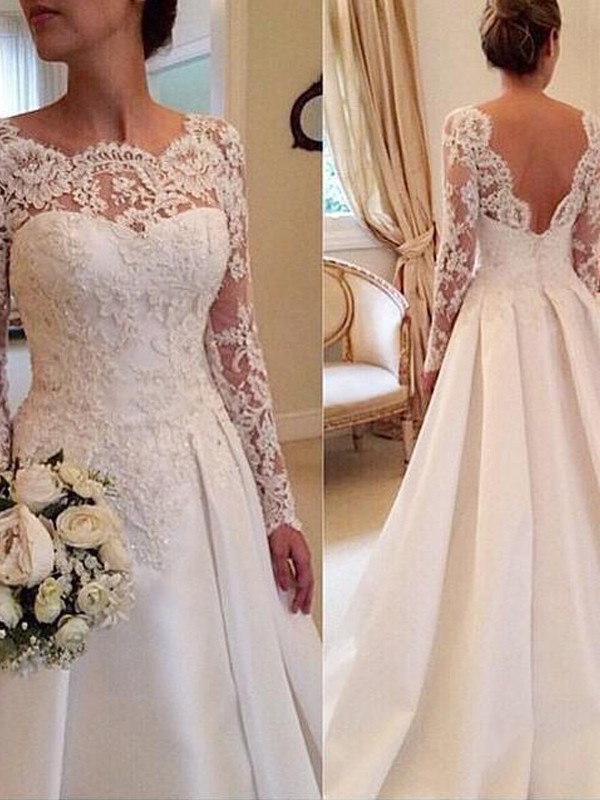
The girls’ clothes are made from lace, chiffon, silk, tulle, and other items. It’s hard to vary the fabrics because these materials could break easily. If sewists do not know what they’re doing, delicate fabrics can tear, fray, or wrinkle. It’s harder to exchange the dress when it includes beads, sequins, and other designs thereon since they have to be sewn very properly, which usually means doing it by hand. Once you sew and press polyester and other synthetic flexible materials together, you furthermore have to treat during a certain manner to maintain their shape and fit.
What Preparation Steps Are Needed Before Alteration?
Before the initial fitting, let the tailor know any concerns with the material, like pulls, stains, or weak spots. You’ll use belts, shoes, knickers, and other things to ensure a dress fits, is the right length and hangs correctly. You’ll have to try the garments a couple of times to be sure they fit perfectly and to avoid making mistakes that cannot be fixed if the fabrics are one-of-a-kind.
Which Techniques Help Seamstresses Handle Unique Fabrics?
Bridesmaids dress alteration London makes it easier to form small changes because it doesn’t put the maximum amount of stress on the material and allows you to make very exact changes. To keep delicate fabrics safe, fine needles and matching threads are utilised. Once you steam and press cloth carefully, you employ low heat and controlled steam to keep it in fine condition without burning it or changing how it’s.
How Do London Bridesmaids Dress Alteration Experts Ensure a Perfect Fit?
Tailors have to have worked with a lot of varied sorts of fabric to unravel difficulties the right way and obtain good results. Ask the women about the gowns if you would like to make sure they fit and appearance the way they need them to. With sophisticated sewing tools and fabric clamps, it’s easier to work with delicate materials now.