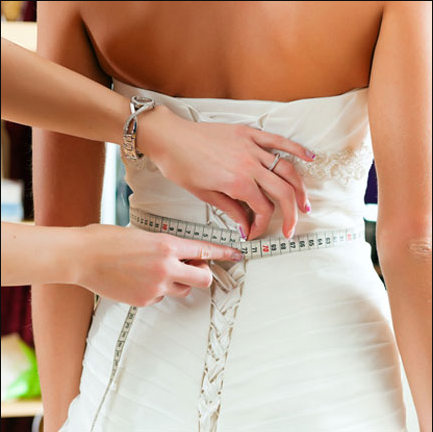
A wedding gown may be understood as a structure created for your inner identity. It must hold its ground; it can move slightly, but it needs to stay rigid while remaining light and not too heavy. In a London workshop, the lead tailor leans in to your gown the way you might regard an important building, considering every seam as real structural reinforcement and every dart as a planned contour meant to support the most beloved foundation of all: you.
- Bring Your Wedding Shoes To Match with The Outfit :
Your shoe height is one of the most decisive thing for where your hem ends up. A variation of about half an inch can completely change how a dress hangs and flows, turning a tidy, graceful outfit into a potential tripping hazard. The wedding dress alteration London always says that you wear the same pair you plan to put on that day because it’s important. When you try them on, walk around, sit down, and even do a small dance to make sure the hem falls perfectly everywhere.
- Check Your Wedding Undergarments:
In most cases, the clothing you wear under your gown affects how the gown sits. Items such as strapless bras or seamless underwear smooth and shape your bust, waist, and hip lines, and the dress is then tailored to follow that silhouette. Use the same bra you plan to wear during the big day, because switching bra styles can greatly affect your measurements. Put them on each time you come in for a fitting, so the finished design fits your actual body shape.
- Carry a Bag of Accessories:
Bring your veil, belt, sash, detachable sleeves, and statement jewelry to your appointments so you can view the full collection. Once everything is put together, your clothesmaker can perfect where everything attaches and confirm that your comfort and range of motion aren’t hindered. It ensures the reflection matches the finished version of what you’re imagining.
- Prepare to Move, Sit, and Dance:
Your dress should be both practical and lovely. Sit, lift your arms for a brief embrace, step onto a pretend step, and then rotate gently on the spot. Pay attention to whether the fabric rubs on your ribs, leaves gaps at the bust when you move forward, or feels tight under the arms.
- Schedule Strategically and Communicate Freely with Others:
London’s leading bridal tailors often get booked weeks or even months in advance. Start your fittings around 8 to 12 weeks before your wedding date. If you’re getting married during the busiest time of year, book your wedding right when your dress arrives. Above all, be truthful with yourself: if something seems off, too tight, or just uncomfortable, your dressmaker genuinely needs to know.
When your final fitting ends, and you step away from the mirror, something real in the air stays, hanging there. Like an echo of every pin , every tuck, every quietly spoken conversation between you and your tailor. That London atelier turns into a sacred little space where your dress wasn’t only adjusted, but awakened.
It remembers the form of you, the way you move, the quick surge of thrill, and even the quiet pauses you didn’t speak aloud. Enter prepared, with a clear goal, and speak like your words count. When you walk down the aisle, your dress won’t only fit you—it will reflect your journey. If a story is tailored with heartfelt care, it doesn’t fade away—it evolves into something new. They simply start.